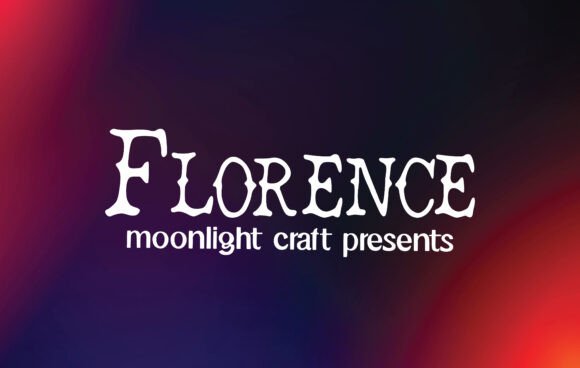
Florence: A Timeless Font for Modern Creativity
Florence is more than just a font—it's a design choice that can elevate the visual identity of any project. With its elegant curves and refined structure, Florence offers a balance between classic beauty and contemporary appeal. Whether you're designing a logo, crafting a brand message, or creating a quote, this font provides a sophisticated foundation that stands out in a world saturated with generic typefaces.
In an era where visual communication is more important than ever, the right font can make all the difference. Florence meets this need by combining legibility with artistic flair, making it a versatile option for both digital and print media. Its adaptability ensures that it can be used across various platforms, from social media posts to professional presentations, without losing its character.
The Rise of Typography in Visual Design
Typography has become a central element in modern design, influencing everything from branding to user experience. As businesses and creators look for ways to differentiate themselves, the choice of font plays a critical role. Florence aligns with this trend by offering a unique yet accessible style that resonates with a wide audience.
Today’s consumers are more discerning, and they expect visual content that is not only functional but also aesthetically pleasing. Fonts like Florence help meet this expectation by adding a layer of sophistication that enhances the overall impact of a design. This makes it an ideal choice for professionals who want to communicate their message with clarity and style.
Why Florence Stands Out
Florence distinguishes itself through its balance of form and function. Unlike some fonts that prioritize aesthetics over readability, Florence maintains a clear and structured layout while still exuding elegance. This makes it suitable for both short phrases and longer texts, ensuring that it remains effective in a variety of contexts.
Its versatility extends beyond just appearance. Florence works well in both digital and physical formats, making it a practical choice for designers, marketers, and business owners. Whether used in a website header, a poster, or a product label, it adds a touch of refinement that elevates the entire composition.
Florence in Branding and Identity
For businesses looking to build a strong brand identity, typography is a key component. A well-chosen font can convey a company’s values, personality, and mission. Florence offers a timeless quality that can help brands establish a lasting impression. Its clean lines and graceful curves suggest professionalism and creativity, making it an excellent fit for industries ranging from fashion to technology.
Consider a boutique clothing line that wants to communicate luxury and craftsmanship. Using Florence in their logo and marketing materials can reinforce these qualities, creating a cohesive and memorable brand image. Similarly, a tech startup might use Florence to add a human touch to their otherwise technical messaging, bridging the gap between innovation and approachability.
Practical Applications for Creators
Designers, bloggers, and content creators often rely on typography to enhance their work. Florence provides a reliable and stylish option that can be used in a variety of creative projects. For example, a blogger writing about art and culture might use Florence in their headlines to draw readers in and set a tone of sophistication.
Illustrators and artists can incorporate Florence into their work to add a refined touch to their visuals. Whether used in a title, caption, or background text, it complements other design elements without overpowering them. This makes it a valuable tool for anyone looking to create visually compelling content.
Adapting to Changing Workflows
As remote work and digital collaboration become more common, the need for adaptable design tools has increased. Florence fits into this evolving landscape by offering a font that is easy to use and widely compatible. It works seamlessly across different software and platforms, ensuring that creators can maintain consistency in their designs regardless of where they’re working.
This adaptability is especially important for freelancers and small businesses that may not have access to high-end design tools. Florence provides a professional-quality option that doesn’t require advanced skills or expensive software, making it accessible to a broader range of users.
Meeting Modern User Expectations
Users today expect content that is not only informative but also visually engaging. A well-designed layout can significantly improve readability and user experience. Florence contributes to this by providing a clean and readable typeface that enhances the overall presentation of any text.
Consider a mobile app that uses Florence in its interface. The font’s clarity ensures that users can easily navigate the app, while its aesthetic appeal adds a layer of sophistication that sets it apart from competitors. This combination of functionality and style is what makes Florence a valuable asset in modern design.
Recommendations for Using Florence
If you’re considering using Florence in your projects, start by experimenting with different sizes and placements. Test how it looks in both headings and body text to ensure it maintains its visual appeal throughout. Pair it with complementary fonts to create a balanced and dynamic layout.
Also, pay attention to the context in which you use Florence. While it works well in many situations, it may not be the best choice for every project. For instance, a highly casual or informal setting might benefit from a more relaxed font. Understanding the nuances of typography will help you make informed decisions that align with your goals.
Finally, don’t hesitate to seek feedback from others. A fresh perspective can reveal how Florence interacts with other design elements and whether it effectively communicates your intended message.