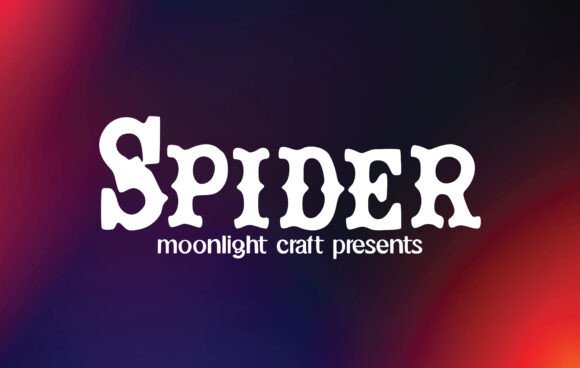
Spider: A Beautiful Handwritten Font
Spider is a unique handwritten font that brings a touch of elegance and creativity to any design project. Its fluid lines and expressive style make it ideal for those looking to add a personal and artistic flair to their work. Whether you're designing a logo, crafting a brand identity, or creating a quote, Spider can elevate your visuals in a way that feels both authentic and impactful.
This font is more than just a stylistic choice—it's a tool that can help you communicate your message with greater emotional resonance. Its organic shape and natural flow give it a human touch that digital fonts often lack. This makes it particularly well-suited for projects that aim to connect with audiences on a deeper level.
Why Spider Matters for Creative Projects
For designers, marketers, and entrepreneurs, the right font can make a significant difference in how a message is perceived. Spider offers a distinctive alternative to standard typefaces, allowing for a more personalized and memorable visual identity. When used effectively, it can help differentiate your work from the competition and create a stronger brand presence.
Consider a small business owner launching a new product line. Using Spider in their branding materials can convey a sense of craftsmanship and care, which may resonate with customers who value authenticity. Similarly, a blogger or content creator might use Spider in their social media graphics to stand out and build a more relatable brand image.
Practical Benefits of Using Spider
One of the key advantages of Spider is its versatility. It works well in both digital and print formats, making it suitable for a wide range of applications. From website headers to packaging designs, this font adapts seamlessly while maintaining its character and charm.
Another benefit is its ability to enhance readability without sacrificing style. While some handwritten fonts can be difficult to read at smaller sizes, Spider is designed with clarity in mind. This means you can use it in body text, headlines, or even captions without compromising legibility.
For creators working on tight deadlines, Spider can also save time. Its clean and consistent structure reduces the need for manual adjustments, allowing you to focus more on the overall design rather than fine-tuning typography.
Who Can Benefit Most from Spider
Spider is particularly beneficial for professionals in creative industries such as graphic design, marketing, and content creation. It’s also a great option for educators and publishers looking to make their materials more engaging and visually appealing. For example, a teacher might use Spider in a classroom poster to make learning materials feel more approachable and lively.
Entrepreneurs and small business owners will find that Spider adds a unique personality to their branding. It can be especially effective for businesses targeting niche markets or those that want to emphasize a handmade or artisanal quality. However, it's important to consider the context in which the font will be used. In more formal or corporate settings, Spider may not be the best fit, and alternatives might be more appropriate.
Realistic Use Cases for Spider
Imagine a wedding planner creating custom invitations for a rustic-themed event. Spider could be used to add a romantic and personal touch to the design, making the invitations feel more meaningful and crafted by hand. Similarly, a fashion brand might use Spider in their social media posts to highlight limited-edition collections with a sense of exclusivity and artistry.
For bloggers and influencers, Spider can be a powerful tool for creating eye-catching visuals that stand out in a crowded space. Whether it's for a blog header, a social media post, or a newsletter, the font’s expressive nature can help capture attention and reinforce a brand’s voice.
Connecting with Your Audience Through Design
Design is not just about aesthetics—it's about communication. Spider helps bridge the gap between visual appeal and emotional connection. By using this font, you can create designs that feel more genuine and relatable, which can lead to stronger engagement and loyalty from your audience.
Think about a nonprofit organization promoting a cause. Using Spider in their campaign materials can evoke a sense of warmth and sincerity, making the message more compelling and easier to connect with. This kind of subtle but meaningful design choice can have a lasting impact on how your message is received.
Limitations and Considerations
While Spider is a strong choice for many projects, it's not a one-size-fits-all solution. In some cases, a more traditional or modern font may be more appropriate. For instance, a tech startup aiming for a sleek and professional look might find that Spider doesn’t align with their brand identity.
It's also important to test Spider in different contexts before finalizing a design. Factors like spacing, contrast, and background can affect how the font appears, so it's wise to experiment with various layouts and color schemes to ensure the best results.
Final Thoughts on Spider
Spider is more than just a font—it's a creative asset that can bring a fresh perspective to your work. Its beauty, flexibility, and emotional depth make it a valuable addition to any designer’s toolkit. Whether you're working on a personal project or a professional assignment, Spider has the potential to transform your ideas into something truly special.
By choosing Spider, you're not just selecting a typeface—you're embracing a style that can help you express your vision with more authenticity and impact. As you explore its possibilities, you'll likely discover new ways to connect with your audience and bring your creative goals to life.